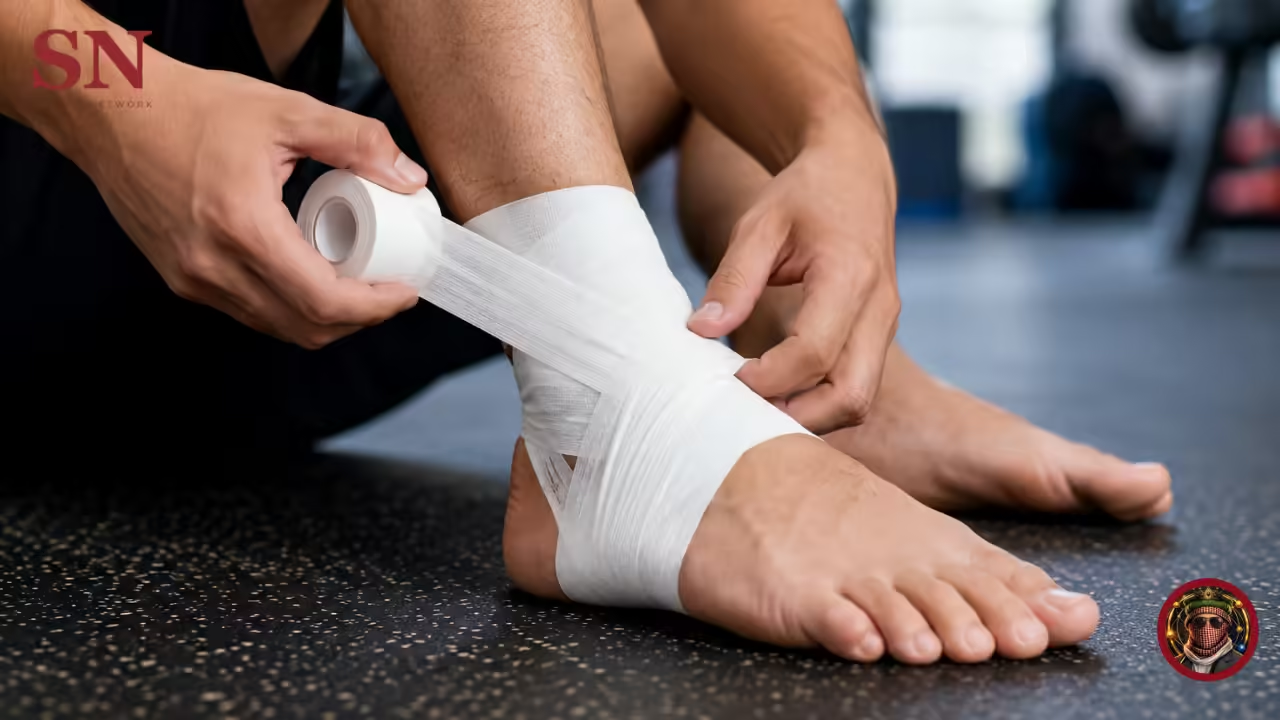
Injury healing age is the single biggest reason a 17-year-old soccer player is back on the field in two weeks after rolling an ankle, while a 42-year-old recreational league player does the exact same thing, on the exact same field, and is still favoring that ankle a month later. Both did the same rehab. Neither did anything wrong. The gap isn’t effort – it’s biology, and understanding it can change how a weekend warrior trains, recovers, and decides when it’s actually safe to get back in the game.
This isn’t just a “kids bounce back” cliché. There’s a real, measurable set of reasons younger tissue repairs itself faster – and a few surprising twists that mean “younger heals faster” doesn’t automatically mean “younger is safer.”
Quick Self-Check: Is Your Recovery Timeline Realistic?
- Are you comparing your recovery speed to how you (or your kids) healed in your teens or twenties?
- Do you know whether your last injury was still in its remodeling phase when you returned to full activity?
- Have you increased your training load back to pre-injury levels in under half the time your doctor or physio recommended?
- Do you track sleep and protein intake as part of recovery, or only rest the injured area itself?
- Has a previous injury to the same joint or muscle gone unrehabbed before you got hurt again?
- Are you over 35 and still using the same recovery timeline you used a decade ago?
If several of these hit close to home, the biology below explains why – and the framework near the end gives a more realistic way to plan your comeback.
How Injury Healing Age Actually Works in the Body
Three separate systems drive most of the age gap in healing speed, and they don’t all decline at the same rate.
Bone. Children and teenagers have a thicker, more metabolically active periosteum – the living membrane wrapped around bone – packed with blood vessels and bone-forming cells. That extra blood supply and cellular activity let a young fracture form a stabilizing callus faster than an adult fracture in the same location. It’s a genuine structural advantage, not just a perception.
Connective tissue. Tendons and ligaments rely on collagen turnover to repair themselves after strain or tearing. Collagen content and turnover in these tissues tends to decline with age, and blood flow to tendons – already less vascular than muscle – drops further as people get older. That’s a big part of why a grade II ankle sprain or a strained hamstring can take noticeably longer to feel normal again in a 45-year-old than in a 20-year-old doing the identical rehab program.
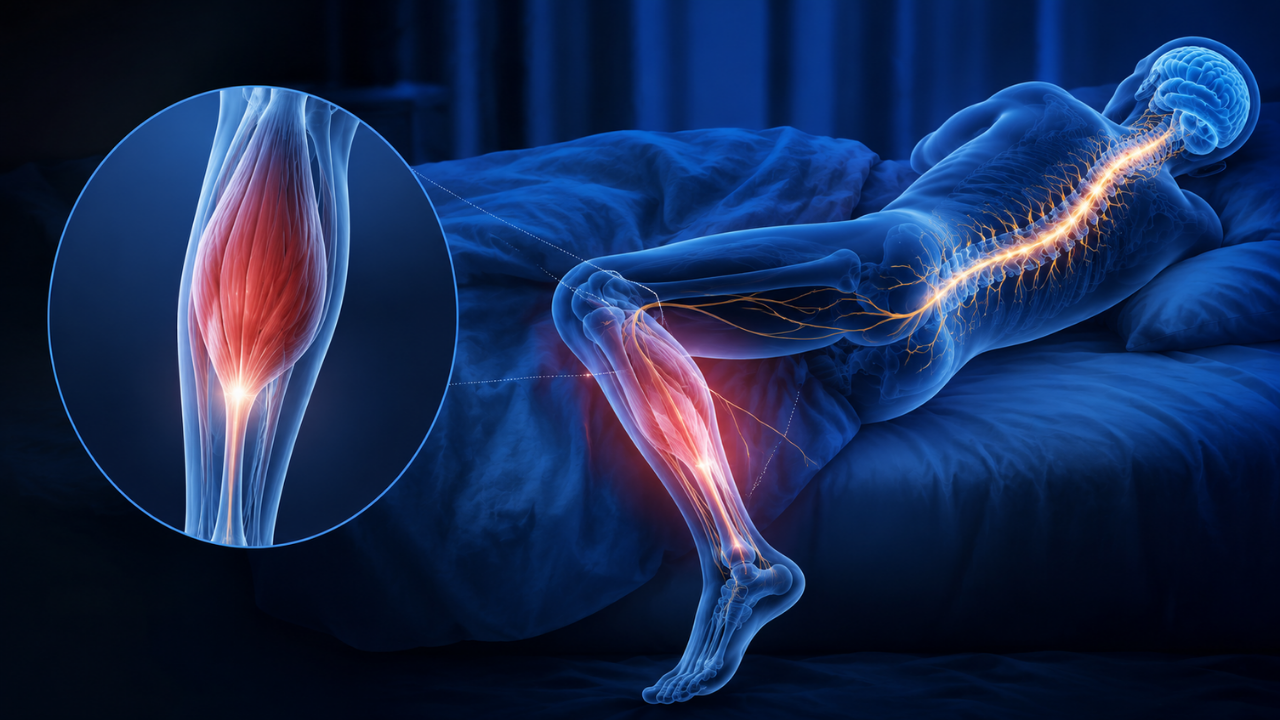
Muscle. Muscle repair depends heavily on satellite cells, a type of muscle stem cell that activates after damage to rebuild fibers. Research consistently shows these cells become less numerous and less functionally responsive with age, even though the exact mechanism – whether the cells themselves decline or the tissue environment around them changes – is still being worked out.
The Misconception: “Faster Injury Healing Age Means Safer to Return”
Here’s where the story gets more interesting than “young people heal fast, old people don’t.” A younger injury healing age does not translate into a lower reinjury risk – in some cases it’s the opposite.
Look at ACL reconstruction, one of the most studied sports injuries there is. Research shows that when athletes under 25 return to sport after ACL surgery, their reinjury rate climbs to roughly 23%, compared with an average of about 15% across all age groups. The tissue itself may be repairing on a faster biological timeline, but younger athletes also tend to return to full-intensity, cutting, and pivoting sports sooner – often before neuromuscular control and strength have actually caught up to where the tissue is.
The lesson for a weekend warrior isn’t “I heal slowly, so I’m safer waiting.” It’s that biological healing speed and readiness to return are two different clocks, and neither age group should assume their clock is the one that matters most.
A Realistic Scenario: The Same Ankle Sprain, Two Different Timelines
Take a moderate (grade II) ankle sprain – a common weekend-warrior injury with a ligament partially torn but the joint still stable. A healthy teenager with good baseline fitness might see swelling resolve in under a week, return to light activity within 10-14 days, and feel essentially normal at 3-4 weeks, because higher tissue turnover and blood supply are accelerating every phase of repair.
A recreational athlete in their mid-40s, doing the identical rehab protocol, often sees swelling take longer to fully resolve, needs closer to 4-6 weeks before light activity feels stable, and may still notice mild stiffness or reduced proprioception at the two-month mark – even though the ligament itself has structurally healed. The remodeling phase, where collagen fibers reorganize and regain strength, simply runs longer when baseline collagen turnover is slower.
Neither timeline is wrong. But an adult athlete using a teenage recovery timeline as the benchmark is the single most common reason weekend warriors return too early and re-injure the same joint within the same season.
A Common Mistake: Rehabbing the Injury, Not the Whole System
A frequent error at any age, but especially past 35, is rehabbing only the injured area while ignoring the systems that support healing – sleep, protein intake, and general conditioning. Collagen synthesis and muscle repair are both nutrient- and sleep-dependent processes; skimping on either one doesn’t just slow recovery in the injured tissue, it slows the entire remodeling phase that determines whether the repair holds up under real athletic load later.
A Decision Framework Based on Injury Healing Age
Rather than guessing when you’re “probably fine,” use this as a practical checklist before returning to full activity after a soft-tissue injury:
- If you’re under 25: Don’t let fast symptom relief fool you into an early return. Confirm strength and balance testing (not just pain-free movement) before resuming cutting or contact sports – this is exactly where the higher reinjury rate shows up.
- If you’re 35-50: Add roughly 30-50% more time to whatever timeline felt normal in your 20s for connective tissue injuries specifically (sprains, strains, tendon issues) – bone fractures in healthy adults don’t slow down nearly as dramatically as tendon and ligament repair does.
- If it’s a repeat injury to the same joint: Treat it more conservatively than the first one, regardless of age. Tissue that’s been injured before typically has less structural reserve.
- If pain is gone but stiffness or reduced range of motion remains: That’s a signal the remodeling phase isn’t finished, even if the injury “feels healed.”
- At any age: Prioritize sleep and protein intake during recovery as seriously as the physical rehab exercises – both directly affect collagen and muscle repair speed.
Editor’s Note
Covering recreational and youth sports side by side for a while now, the pattern I keep seeing isn’t that older athletes are fragile – it’s that they’re using a recovery clock built for a 19-year-old’s body. I’ve watched grown adults get frustrated with themselves for “still” limping at three weeks when a teammate’s kid was back at practice in ten days, as if it reflects some personal failure. It doesn’t. It’s collagen turnover and blood supply doing exactly what the research says they do. – Hafiz Umar
Key Takeaways
- Injury healing age is largely driven by a more vascular, active periosteum in bone and higher collagen turnover in tendons and ligaments in younger bodies.
- Faster healing does not mean lower reinjury risk – athletes under 25 actually show a higher ACL reinjury rate (about 23%) than the average across all ages (about 15%).
- Soft-tissue remodeling can continue for months after pain disappears, especially in adults over 35.
- Rehabbing sleep and nutrition alongside the injury itself measurably affects recovery speed at any age.
- A repeat injury to the same joint should be treated more conservatively than the first, regardless of age.
- Weekend warriors comparing their recovery pace to a teenager’s timeline are a common, avoidable cause of early return and reinjury.
FAQs
Why do kids’ bones heal faster than adult bones? Children have a thicker, more metabolically active, and more vascular periosteum around their bones, which speeds up callus formation and overall fracture repair compared to adults.
Does injury healing age affect muscle injuries the same way it affects bone injuries? The mechanism is different – muscle repair relies more on satellite cells (muscle stem cells), which become less functionally responsive with age, while bone healing relies more on the periosteum’s blood supply and activity.
If younger athletes heal faster, why do they get reinjured more often? Younger athletes tend to return to high-intensity, cutting, and pivoting activity sooner, sometimes before neuromuscular control and strength have caught up to the tissue’s structural healing – which research links to a higher reinjury rate after injuries like ACL tears.
How much longer should an adult expect a sprain or strain to take compared to a teenager? There’s no single universal number, but connective-tissue injuries (sprains, strains, tendon issues) commonly take meaningfully longer to fully remodel in adults over 35 than the same injury would in a teenager, even with identical rehab.
Does diet actually affect how fast an injury heals? Yes – collagen synthesis and muscle repair are both nutrient-dependent processes, so adequate protein intake and sleep support the same biological repair systems the rehab exercises are targeting.
Is it ever “too late” to fully recover from a sports injury as an older adult? No, but the timeline is usually longer and the remodeling phase deserves more patience – returning to full intensity based on pain relief alone, rather than full functional recovery, is the more common risk factor at any age.
Should older weekend warriors avoid sports that carry injury risk altogether? Not necessarily – the goal is training and recovering with a realistic timeline for your age group, not avoiding activity. Most of the reinjury risk described here comes from mismatched expectations, not from playing sports at an older age.