There’s a specific kind of heaviness that settles in about thirty minutes after a big lunch, eyelids getting stubborn, focus slipping, the couch suddenly looking far more appealing than whatever task was on the agenda. Most people write it off as simple overeating. In reality, this feeling has a real scientific name, postprandial somnolence, and a surprisingly intricate biological mechanism behind it involving your nervous system, your hormones, and a direct chemical shift happening inside your brain.
Your Body Switches Into a Different Mode Entirely
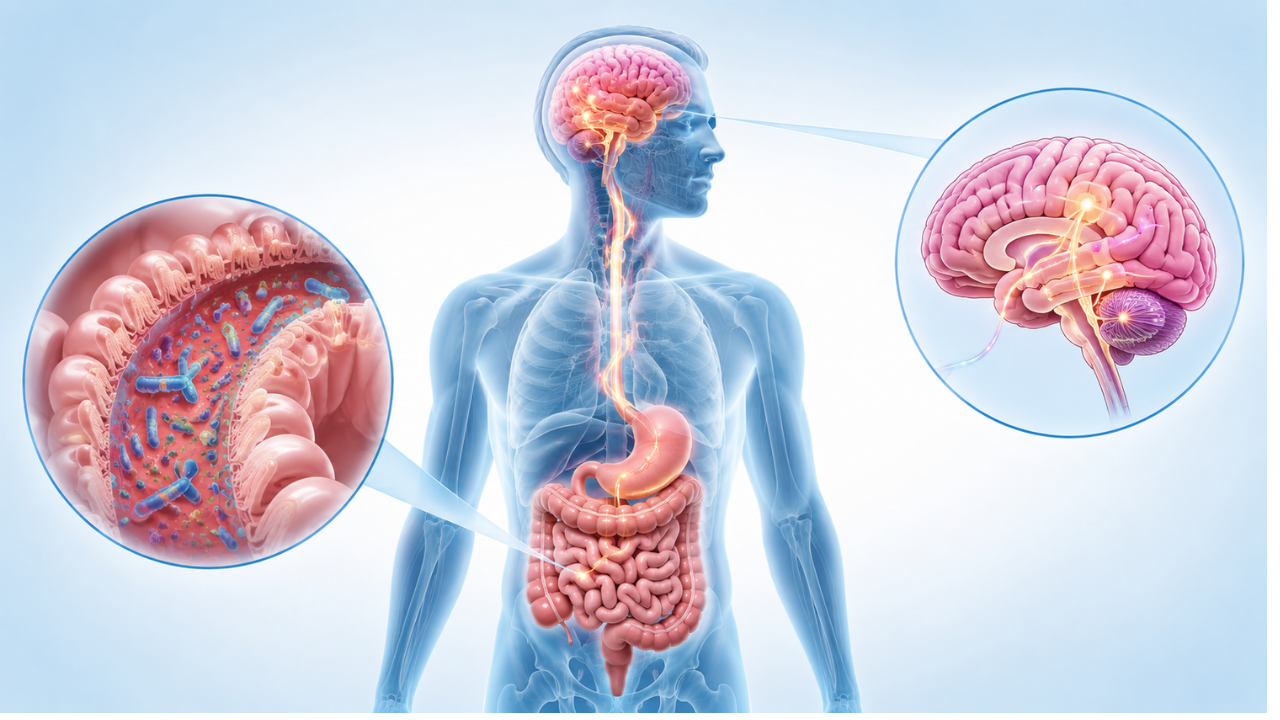
The moment food hits your digestive system, your body makes a deliberate trade-off. Digesting a meal, especially a large one, requires significant physiological resources, and your body responds by activating the parasympathetic nervous system, sometimes nicknamed the “rest and digest” system, as opposed to the alert, high-energy “fight or flight” state your sympathetic nervous system handles.
This shift isn’t subtle. Activating the parasympathetic system slows your heart rate, redirects physiological priority toward digestion, and produces a general sense of calm and low energy throughout the body. It’s the same system responsible for that heavy, relaxed feeling after a large holiday meal, and it kicks in regardless of what specific food you just ate, simply as a response to your gut suddenly having real work to do.
The Long-Standing Blood Flow Theory (And Why Scientists Are Still Debating It)
For years, one of the most commonly repeated explanations for post-meal drowsiness was that blood gets diverted away from the brain and toward the digestive system to support the demanding work of breaking down food, temporarily leaving the brain with a slightly reduced supply. It’s an intuitive explanation, and it still shows up constantly in casual health articles.
The honest scientific picture is more complicated. Researchers studying postprandial somnolence have noted that this specific blood-flow theory, along with several related explanations, has rarely been directly and rigorously tested. It remains one plausible contributing factor among several, rather than the single, confirmed cause many people assume it to be.
The Real Chemistry: Insulin, Tryptophan, and Your Brain
The mechanism with considerably stronger scientific backing involves a more elaborate chain reaction, and it starts with insulin. When you eat, particularly a meal rich in carbohydrates, your blood sugar rises, and your body releases insulin to help shuttle that glucose into your tissues for use as energy.
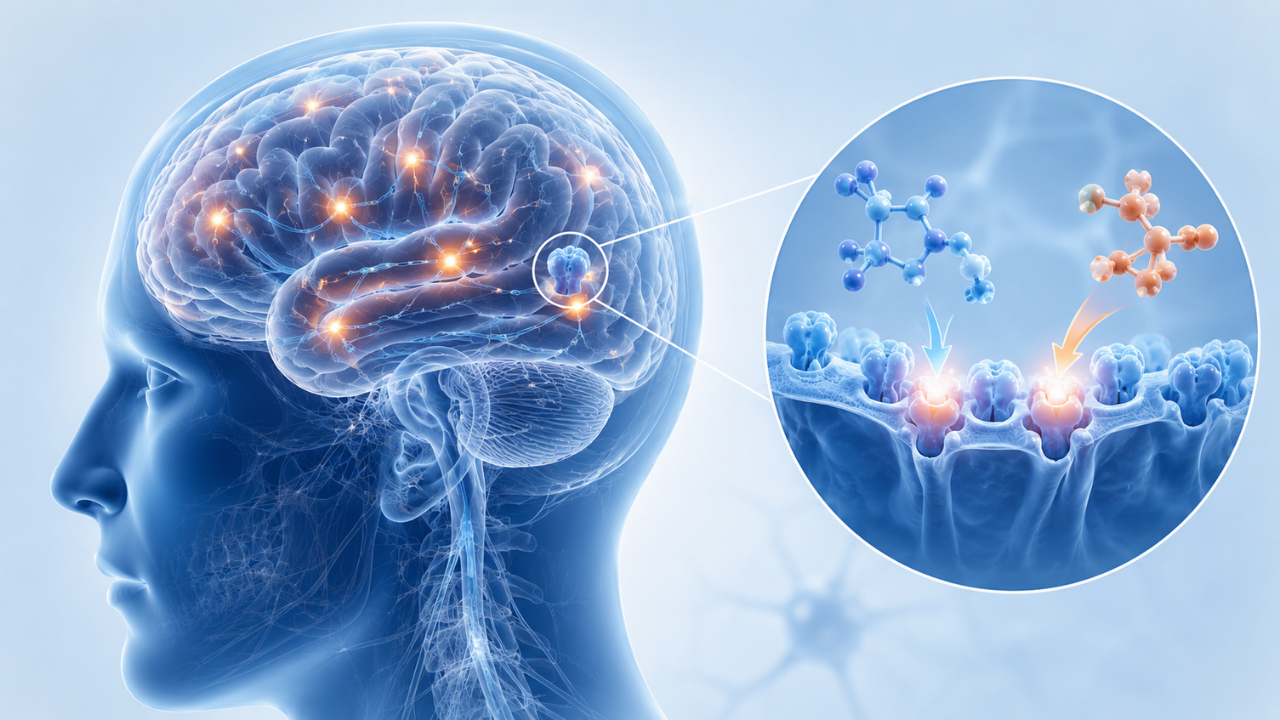
Here’s where things get genuinely interesting. Insulin doesn’t just manage glucose, it also drives several specific amino acids, including valine, leucine, and isoleucine, out of the bloodstream and into your muscles. Crucially, insulin does not pull tryptophan out of the blood the same way. The result is a shifting ratio: as those other amino acids clear out, tryptophan becomes proportionally more available to compete for transport across the blood-brain barrier, the selective boundary that controls what can pass from your bloodstream into your brain tissue.
Once tryptophan crosses into the brain in greater quantities, it gets converted into serotonin, and eventually into melatonin, the same hormone your body relies on to regulate sleep at night. Both compounds promote relaxation and drowsiness, which is precisely why this pathway plays such a central role in that post-meal sluggishness.
The Brain’s Alertness Switch Gets Turned Down Too
There’s a third mechanism working alongside the hormonal shift described above, and it involves specialized brain cells called orexin neurons (sometimes called hypocretin neurons). These cells form a core part of your brain’s wakefulness and arousal circuitry, essentially helping keep you alert and engaged throughout the day.
Research has found that rising blood glucose levels after a meal directly quiet the activity of these orexin neurons. When arousal-promoting circuitry throughout the brain receives less stimulation from this system, drowsiness becomes a fairly direct downstream result. This helps explain why postprandial somnolence isn’t simply a subjective feeling of fullness, it reflects a genuine, measurable shift in how actively your brain’s core alertness system is firing.
Why Some Meals Hit Harder Than Others
Not every meal produces the same crash, and the composition of what you eat matters considerably. High-carbohydrate meals trigger the strongest insulin response of any macronutrient, which in turn drives the tryptophan pathway described above most aggressively, explaining why a pasta-heavy lunch tends to produce noticeably more drowsiness than a lighter, protein-focused one.
High-fat meals work somewhat differently. Rather than triggering the same sharp insulin spike, fat slows gastric emptying and requires extended digestive effort, which tends to produce a more prolonged parasympathetic “rest and digest” response rather than the sharper tryptophan-driven wave associated with carbohydrates. In practice, a meal that’s both high in refined carbohydrates and high in fat, the classic heavy holiday plate, tends to combine both mechanisms, which is exactly why those particular meals produce the most dramatic food comas.
The Turkey Myth Worth Retiring
No conversation about post-meal drowsiness escapes without someone blaming turkey specifically, thanks to its supposed high tryptophan content. The actual data doesn’t support this. Turkey contains tryptophan levels comparable to chicken, beef, and most other common meats, not an unusually elevated amount. The genuinely convincing drowsiness after a Thanksgiving-style meal has far more to do with the sheer volume of food consumed and the carbohydrate-heavy side dishes surrounding the turkey than the turkey itself.
A Real, Measurable Effect, Not Just a Feeling
Recent research has reinforced that this isn’t merely a subjective sensation people report anecdotally. A 2024 study examining food comas in adolescents documented measurable short-term declines in cognitive performance following heavy meals, confirming that postprandial somnolence reflects a genuine, functional shift in how the brain is allocating its resources in the immediate aftermath of eating, not simply a feeling of being “full and lazy.”
Understanding the Dip, Rather Than Fighting It
Postprandial somnolence isn’t a malfunction or a sign that something’s wrong with your metabolism. It’s a coordinated, multi-system response, nervous system, hormones, and brain chemistry working in tandem, that your body has run every single time you eat a substantial meal for your entire life. Understanding the mechanism doesn’t necessarily eliminate the afternoon slump, but it does explain exactly why fighting through a post-lunch crash with willpower alone rarely works: your brain’s own wakefulness circuitry has been chemically instructed, quite deliberately, to slow down.