Before the story begins, a quick fact worth knowing: script doctors are genuinely real. Studios have quietly hired uncredited writers to rescue troubled screenplays for nearly a century, going back to figures like Ben Hecht, who reportedly reworked over 80 films in the early sound era, often completing entire rewrites in a matter of days.
Carrie Fisher became one of Hollywood’s most sought-after script doctors decades later, punching up dialogue on everything from Hook to the Star Wars prequels, almost always without her name appearing anywhere in the credits. What follows isn’t a report about a real film. It’s an original fictional story, imagined in that same tradition, following one writer through the tensest 48 hours of an invented production.
Hour Zero
The email arrives at 11:47 p.m., no subject line, just an attachment and four words: “Can you look tonight?”
Mara Whitfield doesn’t open unsolicited scripts anymore. She used to, back when she needed the work. Now the work finds her, usually at the worst possible hour, usually from a producer too panicked to bother with pleasantries. She opens the file anyway. The screenplay is called Halcyon Drift, a mid-budget space epic that ballooned somewhere along the way into something considerably larger, with a cast list expensive enough to make a studio’s legal department nervous. Principal photography starts in 48 hours. The script, according to the producer’s follow-up call twenty minutes later, “doesn’t work.”
She reads through the night. By sunrise, she understands exactly why.
Hour Six
The problems aren’t subtle once you know where to look. A commanding officer character disappears from the plot for forty pages and reappears with no explanation for where she’s been or what she’s learned. A climactic betrayal hinges on information a character couldn’t possibly have, a detail the original writers apparently caught in a later draft and simply never fixed in this one. The dialogue is technically competent and emotionally hollow, the kind of writing that sounds fine read silently but falls apart the instant an actor has to say it out loud in front of a camera.
None of this is unusual. This is, in fact, exactly the kind of call Mara has built a career on.
She meets the director, a talented but exhausted first-timer named Theo Argenti, in a production office that smells like burnt coffee and flop sweat. He doesn’t want notes. He wants someone to make the movie he originally pitched actually exist on the page. “I know what this is supposed to feel like,” he tells her. “I just can’t get there from here.”
Hour Eighteen
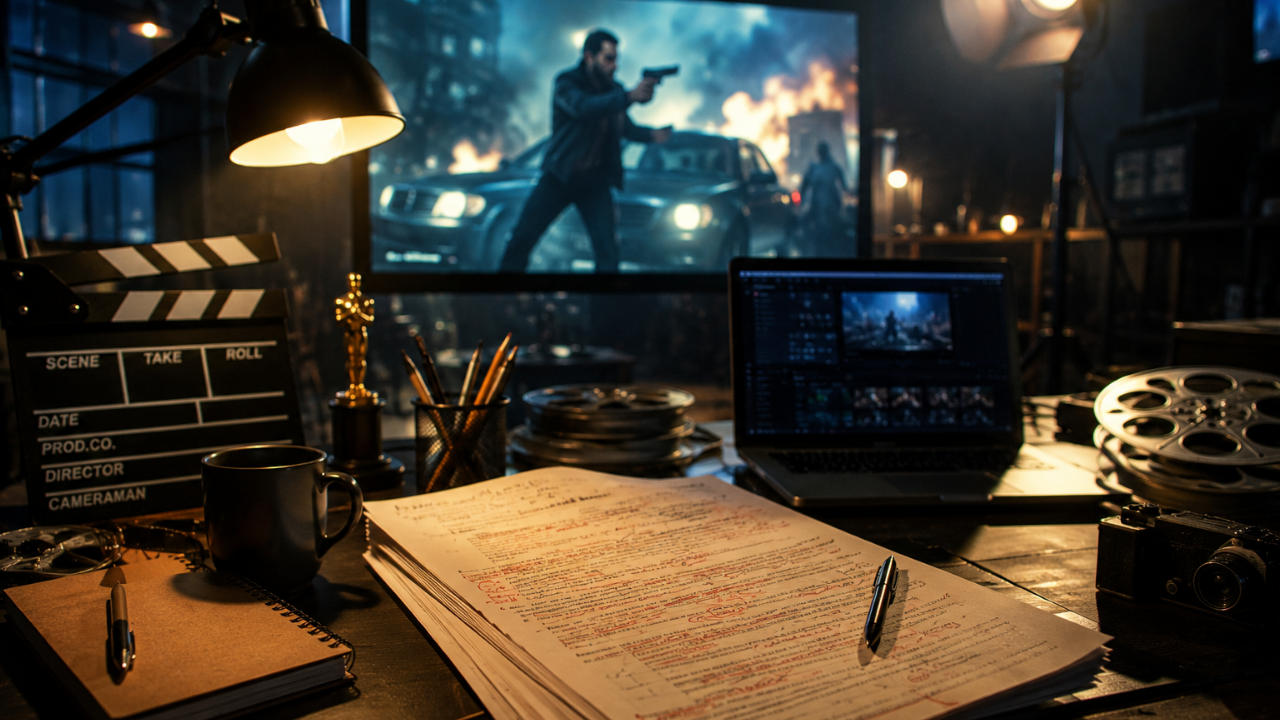
Script doctoring, in reality and in this story, isn’t about writing something new. It’s about surgical repair, identifying precisely which scenes are load-bearing and which ones are simply broken furniture cluttering the room. Mara spends the next twelve hours doing exactly that, tracking the commanding officer’s missing forty pages backward through every draft the studio has on file, rebuilding a version of her arc that actually explains where she went and why it matters when she returns.
She doesn’t touch the film’s structure. There’s no time, and structural surgery this close to shooting is how productions actually collapse. Instead, she works in tight, targeted passes: a single scene rewritten to plant the information the third act desperately needs, six lines of dialogue cut because no actor alive could deliver them without sounding like a corporate mission statement, one entire monologue quietly deleted and replaced with four words and a long silence that will do more work than the original paragraph ever did.
By the time the sun sets again, she’s touched nineteen scenes. Her name will appear on none of them.
Hour Thirty-One
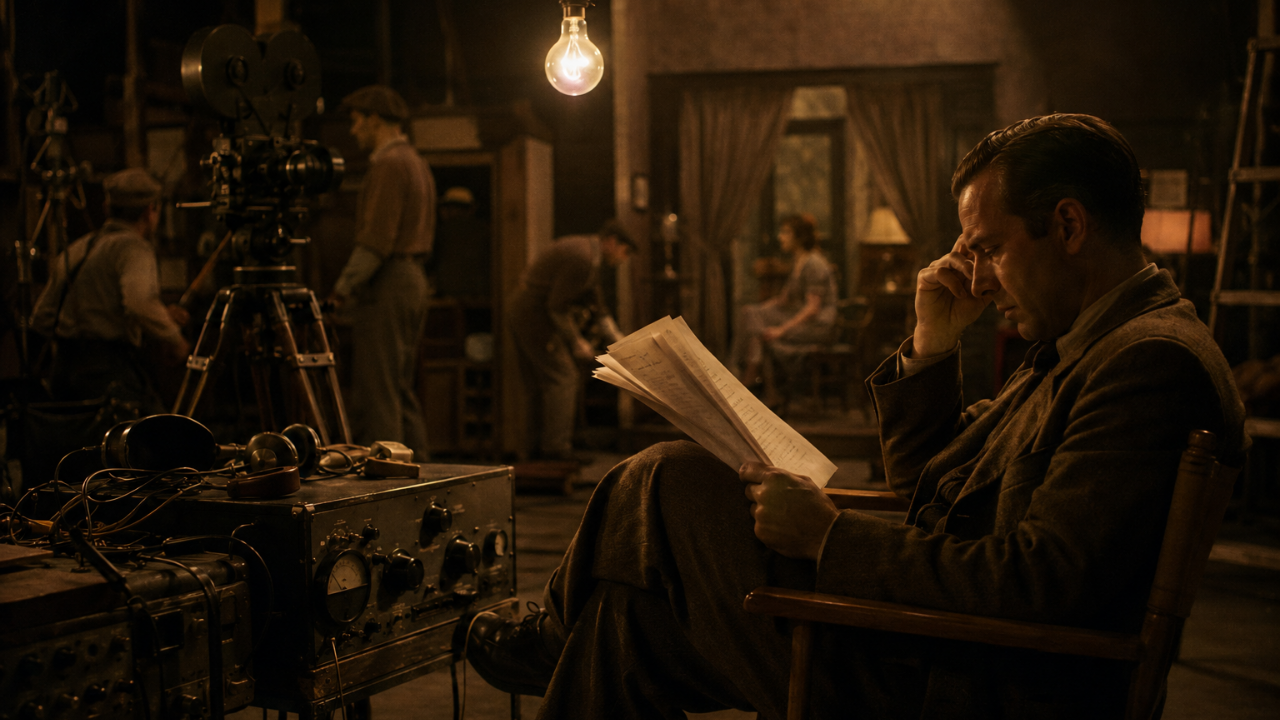
The read-through happens in a rented conference room with folding chairs and bad lighting, the cast hearing the revised pages for the first time only hours before cameras roll. Mara sits in the back, unintroduced, watching actors stumble slightly less over dialogue that finally sounds like something a human being would actually say under pressure.
Theo finds her afterward in the hallway. He doesn’t say thank you, not exactly. He says, “That scene in the corridor. Where did that line come from?” She tells him. He nods slowly, the particular nod of a director quietly recalculating what his film is now capable of being.
This is the part of the job nobody outside the industry understands. The gratitude, when it comes at all, is private, delivered in hallways and read-throughs, never in credits or press releases. The Writers Guild requires a writer to contribute more than half of an original screenplay to earn formal credit. Mara’s nineteen scenes, however load-bearing, will fall well short of that threshold. Halcyon Drift will list two credited screenwriters when it eventually reaches theaters. Neither of them is her.
Hour Forty-Eight
Cameras roll at dawn. Mara isn’t there to see it. She’s already three time zones away, opening a different unsolicited email, a different four-word message, a different fire quietly waiting to be put out before anyone in the audience ever knows it happened.
She won’t watch Halcyon Drift’s premiere from a red carpet. She’ll watch it, months later, from a theater seat she paid for herself, listening for the corridor scene, the one line Theo asked about, sitting quietly in the dark among strangers who have absolutely no idea that the movie almost fell apart forty-eight hours before it began, and that somewhere in that quiet room, a woman with no name in the credits made sure it didn’t.