
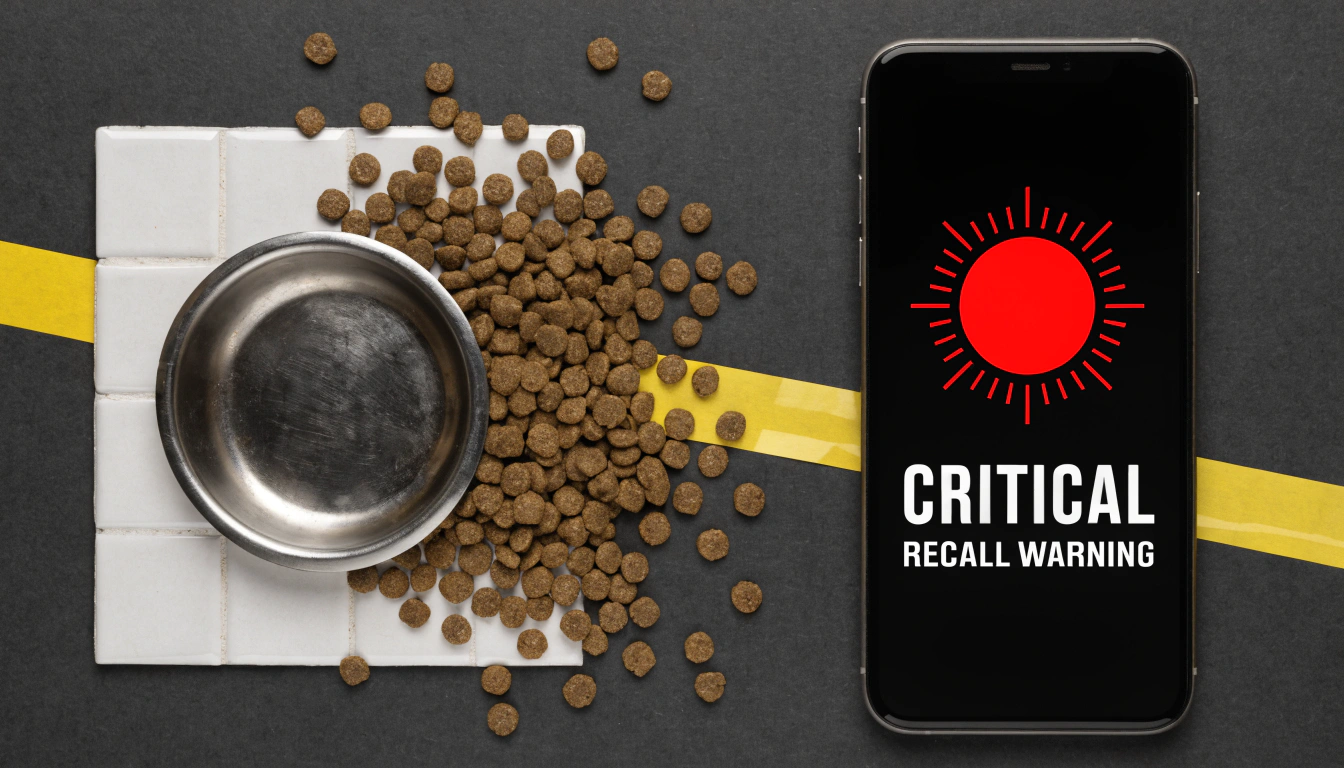
A corrupted Pedigree dog food recall has turned into an active criminal investigation today because black-market thieves intentionally hijacked contaminated, razor-sharp pet food lots and sold them back to local grocery stores where your family shops. Corrupt distributors intercepted massive shipments of toxic cans that federal regulators had already ordered to be crushed and burned at industrial waste facilities. Instead of destroying the poison, these underground operators altered the shipping paperwork, cleaned up the exterior packaging, and dropped the deadly items straight back onto mainstream grocery shelves. This means the innocent meal you poured into your beloved pet’s bowl this morning could contain hidden, jagged shards of metal and industrial plastic capable of cutting open their internal organs.
What Just Happened
A terrifying security breakdown occurred within the international commercial waste management sector over the past 48 hours, converting a standard corporate recovery operation into a multi-state health emergency. Mars Petcare had originally initiated a voluntary withdrawal of specific product lines after factory machinery failures dropped dangerous debris directly into the processing vats. Federal regulators supervised the removal of these items from major retail chains, designating thousands of heavy pallets for total chemical destruction at high-security processing plants.
Factory Error -> 📦 Federal Recall Order -> 🛑 Cargo Interception -> 🛒 Illicit Retail Laundering
Criminal networks saw an opportunity to exploit these high-volume scrap yards by intercepting the cargo trucks before they reached the incinerators. These operators forged official destruction receipts to satisfy corporate compliance auditors while physically re-routing the hazardous freight to hidden, un-inspected wholesale warehouses.
Workers inside these underground hubs scrubbed off the corporate rejection stickers, compiled the cans into fresh cases, and sold them back to discount retail outlets and digital storefronts at extreme markdowns. This fraudulent loop completely bypassed traditional safety checkpoints, leaving regional retail operators completely unaware that they were stocking highly restricted, lethal trash. The scam unraveled when veterinary offices across three major suburbs reported a sudden, unexplained spike in emergency stomach surgeries involving domestic pets from the exact same residential zip codes.
Why Your Family Should Care
Every single person who shares a home with a domesticated animal needs to understand that this is no longer a simple corporate mistake that you can just ignore. Your family pet relies entirely on your choices for survival, and right now, the traditional trust we place in big-box retail brands has been completely compromised by greed. Discovering that individuals deliberately placed razor-sharp debris back onto grocery shelves just to make a quick buck is deeply sickening, and it leaves every pet owner feeling fundamentally unsafe.
The financial consequences of this fraud can destroy an average household budget within hours, as emergency veterinary care costs have soared across the country. Treating an internal laceration caused by swallowed metal fragments requires complex, immediate exploratory surgery that regularly costs between $4,500 and $8,500 at specialized animal hospitals. This massive expense represents more money than an average working family saves over a period of six months, forcing people into devastating choices between personal financial ruin and the lives of their companion animals.
USA Families – Here Is What To Know
American consumers are bearing the primary brunt of this systemic retail infiltration as local distribution networks struggle to locate the laundered shipments. Federal food safety inspectors have partnered with local police departments to conduct emergency audits on independent discount storefronts, liquidators, and smaller inner-city corner markets. These venues are highly vulnerable to the scam because they frequently purchase their inventories from secondary, unverified wholesale brokers who do not question the origins of cheap pallets.
The administration has issued a national alert urging all citizens to stop utilizing any generic canned varieties from these batches immediately, regardless of where the item was purchased. If you bought your pet supplies from an online auction site or an unauthorized third-party marketplace vendor over the past month, you must assume the product is compromised. Do not throw the trash into a standard residential bin where stray animals can access it; instead, secure it inside a sealed bucket and await localized drop-off instructions from your municipality.
UK Families – Here Is What To Know
British pet owners are facing intense anxiety today as trading standards officers launch investigations into international supply lines that feed discount chains across the United Kingdom. Although the initial corporate recall targeted factories located across North America, independent bulk importers routinely purchase excess surplus inventories from international channels to sell inside high-street bargain shops. This decentralized import system makes it highly possible that laundered, toxic batches managed to cross into British maritime ports under false customs declarations.
Animal welfare organizations are demanding that the government implement immediate, mandatory third-party oversight across all automated commercial waste facilities operating within the country. Families who rely on cheap, imported canned varieties to keep their pet food bills manageable during this ongoing cost-of-living crunch are being told to exercise extreme caution. You must verify that your cans feature official, unaltered factory batch numbers, and you should instantly report any retail store that is selling popular brands without clear, traceable supplier paperwork.
Canadian Families – Here Is What To Know
The discovery of this massive black-market operation has forced the Canada Border Services Agency to initiate emergency inspections at major land border crossings to stop contaminated freight from entering local communities. Since online market platforms allow illegal secondary sellers to ship goods directly across international borders without standard commercial inspections, thousands of Canadian households are actively exposed to this danger. Provincial veterinary associations have gone on high alert, sharing real-time diagnostic alerts across rural and urban animal clinics to ensure any localized outbreaks of internal trauma are caught instantly.
The regulatory response varies significantly between provinces, with Ontario and British Columbia enforcing strict temporary bans on unverified secondary food distributors. If your family resides in a remote area that depends heavily on online ordering platforms for household goods, you need to manually inspect every delivery. Check for irregular packaging seams, off-center labels, or any signs that a case has been manually re-taped, as these are classic markers of an illicit, repackaged product lot.
What Experts Are Saying
“This level of supply chain infiltration represents a deliberate, coordinated criminal assault on public trust,” explains Dr. Elena Rostova, a prominent forensic food safety investigator at the Global Consumer Protection Alliance. Rostova notes that when waste-disposal security breaks down, it creates an immediate goldmine for unscrupulous actors who view animal health as an easy target. In her professional estimation, it will take months of intense police work to fully purge these dangerous items from localized retail shelves.
From a corporate legal perspective, industry analyst Arthur Pendelton warns that the wider pet supplies market will suffer a massive drop in consumer confidence. “We are looking at a total failure of internal corporate logistics,” Pendelton notes, emphasizing that brands must maintain full custody of recalled items until they are physically destroyed.
My analysis of these expert perspectives reveals that our modern, hyper-connected retail markets are dangerously exposed to organized fraud. When companies outsource their trash disposal to low-cost third-party contractors without maintaining direct supervision, regular families always end up paying the ultimate price in anxiety and grief.
6 Things Your Family Must Do Right Now
- Cross-reference your barcodes: Immediately visit the official manufacturer recall portal to compare your canned food batch codes against the master list of compromised factory lines.
- Inspect food manually: Spoon through your pet’s wet food using a clean kitchen utensil before serving it, feeling explicitly for any hard, unyielding material or strange textures.
- Cut off third-party digital sellers: Suspend all purchases of major brand food items from unverified auction sites, social media marketplaces, or independent digital sellers.
- Watch for clinical symptoms: Monitor your animals for immediate warning signs of internal distress, including sudden lethargy, refusal to eat, dark vomiting, or blood in their stool.
- Secure emergency funds: Set up a dedicated credit line or an isolated emergency cash fund to ensure you can cover sudden, expensive veterinary surgical fees without delays.
- Report suspicious pricing: If you notice a local discount shop or web platform selling popular canned goods at prices that seem unrealistically cheap, notify consumer protection bureaus immediately.
The horrifying reality of this black-market pet food scheme demonstrates that we must remain constantly vigilant about the items we bring into our homes and feed to our vulnerable family companions. Protecting your household from these unseen industrial dangers requires shifting away from passive consumer habits and taking active, hands-on control over your supply chains. By remaining hyper-observant, checking your packaging codes, and refusing to support unverified discount brokers, you can easily insulate your home from this corporate breakdown.
Stay informed, stay prepared, and stay one step ahead with SultanNetwork – your trusted source for finance, business, technology and global news, updated 24 hours a day, 7 days a week.